
Black Mold Facts vs. Myths: A Calm Guide for New Orleans Homes
Finding dark spots on a ceiling or behind a dresser is unsettling, and a quick search makes it worse. Much of what you read online about "black mold" is exaggerated. This guide sticks to what federal health agencies, mainly EPA and CDC, actually say, so you can decide what to do next in a New Orleans home without panic.
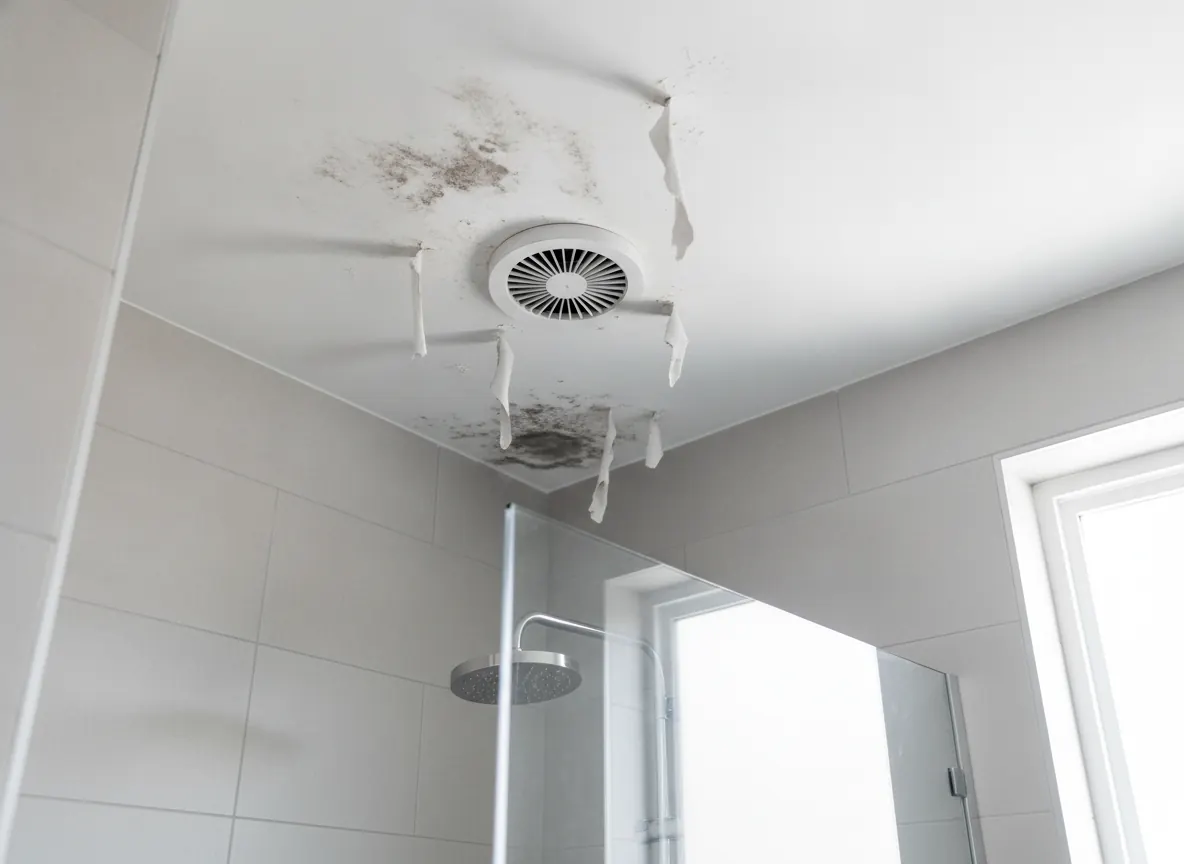
What is "black mold"?
"Black mold" is not a scientific category. People use it for any mold that looks dark, and many common household molds are black, dark green or gray. The name is often linked to one species, Stachybotrys chartarum, which grows on materials that stay wet, such as drywall paper after a leak. You cannot tell which mold you have by looking at it, and the practical steps are the same for all of them.
Myths and facts at a glance
| Myth | What the guidance says |
|---|---|
| Black mold is a special, far more dangerous kind of mold. | Color does not tell you the species or the risk. EPA and CDC treat all indoor mold the same way: fix the moisture and remove the growth. |
| You need a lab test to know if it's "the bad one." | EPA: "In most cases, if visible mold growth is present, sampling is unnecessary." |
| Any amount of mold means you must move out. | EPA says an area under about 10 square feet can usually be cleaned by the homeowner. |
| Bleach kills mold, so the problem is solved. | Cleaning without fixing the water source lets mold come back. Porous materials that stay moldy usually need to be removed. |
| If you can't see it, it isn't there. | Mold can grow behind walls, under floors, in ducts and in attics. A musty smell is often the first sign. |
Is black mold more dangerous than other mold?
Not by color. EPA and CDC describe the main health effects of indoor mold as allergic and irritant reactions: stuffy nose, sneezing, itchy or red eyes, coughing, wheezing and skin irritation. People with asthma, allergies or weakened immune systems may be more sensitive. EPA notes that symptoms other than the allergic and irritant types are not commonly reported from breathing mold, and that research on mold and health is ongoing.
The useful takeaway: any mold growing indoors is worth removing, whatever its color, and no color is a reason to panic.
Health note. If you or someone in your home has symptoms you think may be related to mold, talk to a doctor, especially for children, older adults and anyone with asthma or a weakened immune system. This page is general information, not medical advice.
Do I need to test black mold to find out what it is?
Usually not. EPA says, "In most cases, if visible mold growth is present, sampling is unnecessary." EPA has also not set federal limits for mold or mold spores, so a lab report cannot tell you whether a level is "legal" or "safe." Testing can still help in specific cases:
- You smell mold but cannot find it, and suspect it is hidden in a wall, duct or crawl space.
- You have a dispute with a landlord, seller or insurer and want written documentation.
- You want a clearance check after remediation to confirm the work met its goals.
In Louisiana, the company that tests should not be the company that removes the mold. State law bars a mold remediation contractor from also doing the mold assessment on the same property, or owning the company that does (R.S. 37:2158). Our mold inspection and testing page and the post Is mold testing worth it? go deeper.
Why does mold show up so often in New Orleans?
Because water is everywhere. NOAA's 1991–2020 normals show about 63 inches of rain a year at the airport, and summer dew points around 72–74°F. Older homes, roof leaks after storms, street flooding and AC condensation all add moisture. Dark mold on a bathroom ceiling, around a window or on the back of drywall after a leak is a moisture problem first. Fix the moisture, and the mold has nothing to grow on.
How should black mold be cleaned up?
The same way as any other mold. EPA's cleanup advice centers on a few steps:
Fix the water
Stop the leak, dry wet areas within 24 to 48 hours and bring indoor humidity below 60%.
Clean hard surfaces
Scrub mold off hard, non-porous surfaces with detergent and water, then dry them completely.
Remove porous materials
Drywall, ceiling tiles, insulation and carpet that stay moldy usually have to be cut out and thrown away.
Protect yourself
Wear gloves, eye protection and an N95 respirator, and never mix bleach with ammonia or other cleaners.
Painting or caulking over mold does not fix it. The paint will usually peel and the growth will come back.
When should I call a professional?
Use EPA's about 10 square feet guideline as your line. Louisiana lets owners and tenants do their own mold work without a license (R.S. 37:2157). Call for quotes when:
- The moldy area is larger than about 10 square feet, roughly a 3 ft by 3 ft patch.
- Mold came from flood water or sewage.
- Growth is inside walls, ducts, the attic or the crawl space.
- It keeps coming back after cleaning.
- Someone in the home has asthma or a weakened immune system.
Our mold removal page explains what a remediation contractor typically does, and the mold remediation cost page has published price ranges. Fixr (Aug 2025) puts a typical job at $1,500–$9,000; This Old House (Mar 2026) puts it at $1,200–$3,750. Renters should tell the landlord in writing first; see our rental mold page.
Louisiana license check. Louisiana requires a Mold Remediation license from the Louisiana State Licensing Board for Contractors (LSLBC) for mold remediation projects of about $7,500 and up (La. R.S. 37:2150.1). Before you sign, look up the company's license on the LSLBC website. In Louisiana, a mold remediation contractor may not also do the mold assessment on the same property, or own the company that does (R.S. 37:2158).
Watch out for fear-based sales
Be cautious with anyone who uses the word "black" to rush you, insists you need expensive testing when mold is plainly visible, or offers to both test and remediate the same house. A calm company explains the moisture source, the scope and the price in writing. NOLA Mold Remediation is a free quote service, not a mold company, and some companies pay to receive requests. Request a free quote or call (504) 370-1142.
Frequently asked questions
Is black mold more dangerous than other types of mold?
You cannot judge risk by color. EPA and CDC describe the main health effects of indoor mold as allergic and irritant reactions, and people with asthma or weakened immune systems may be more sensitive. All indoor mold should be removed and the moisture fixed, whatever its color. See a doctor if you have symptoms.
Should I get black mold tested?
Usually not when you can see it. EPA says that in most cases, if visible mold growth is present, sampling is unnecessary. Testing can help with hidden mold, disputes with a landlord or seller, or clearance after remediation. In Louisiana the testing company should be separate from the remediation company.
Can I remove black mold myself?
For small areas, often yes. EPA says an area under about 10 square feet can usually be cleaned by the homeowner, and Louisiana lets owners and tenants do their own mold work without a license. Fix the moisture, scrub hard surfaces with detergent and water, remove porous materials that stay moldy, and wear gloves, eye protection and an N95.
Does bleach kill black mold?
Cleaning a surface is not the whole fix. If the moisture source stays, mold returns, and growth inside drywall, insulation or carpet usually means those materials need to be removed. EPA's cleanup tips focus on detergent and water for hard surfaces and warn never to mix bleach with ammonia or other cleaners.